Artfluence helps museums understand their audience through real-time visitor data — and improve programming, outreach, and impact.


Trusted by 200+ Museums

Real audience insights
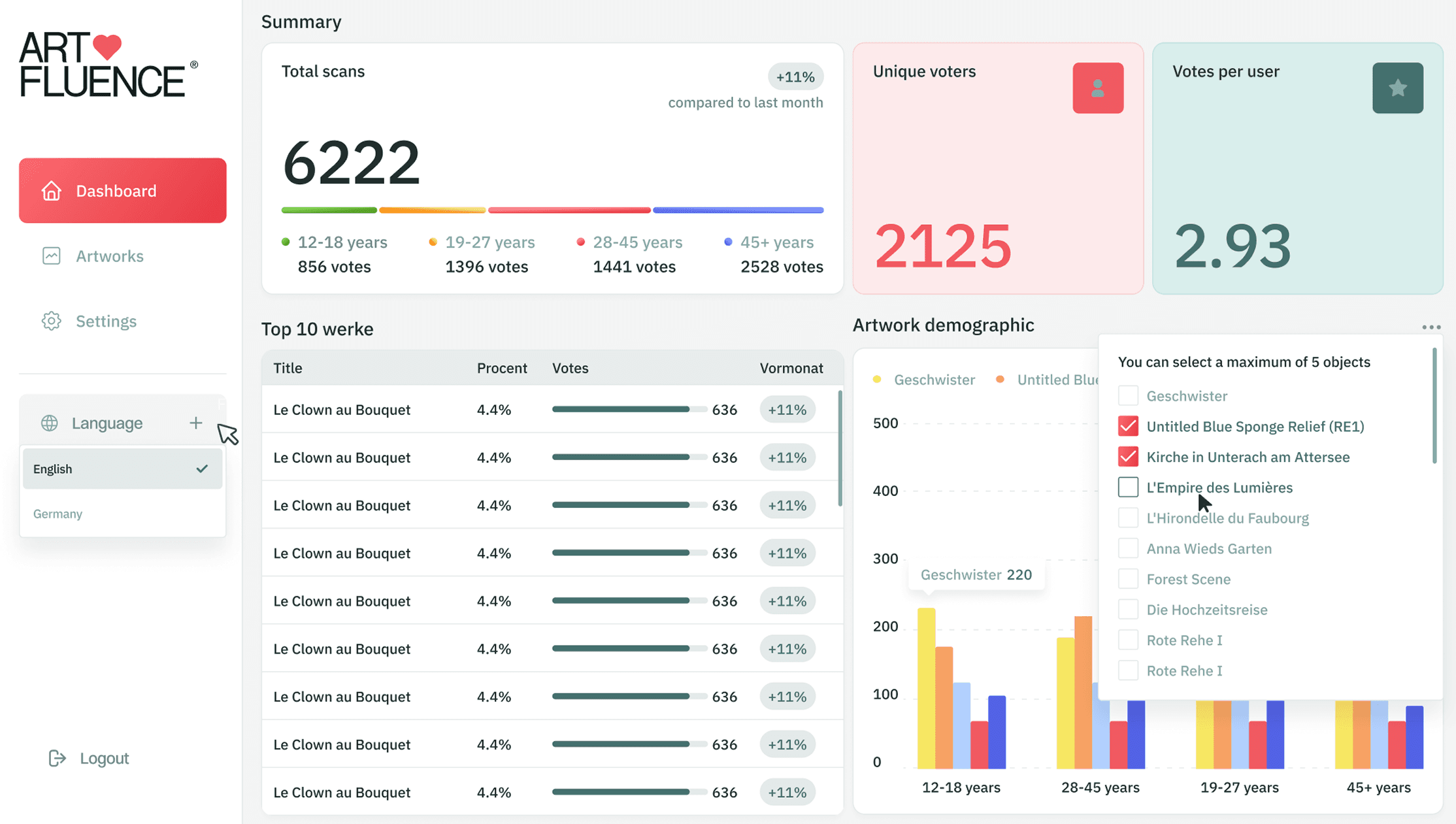
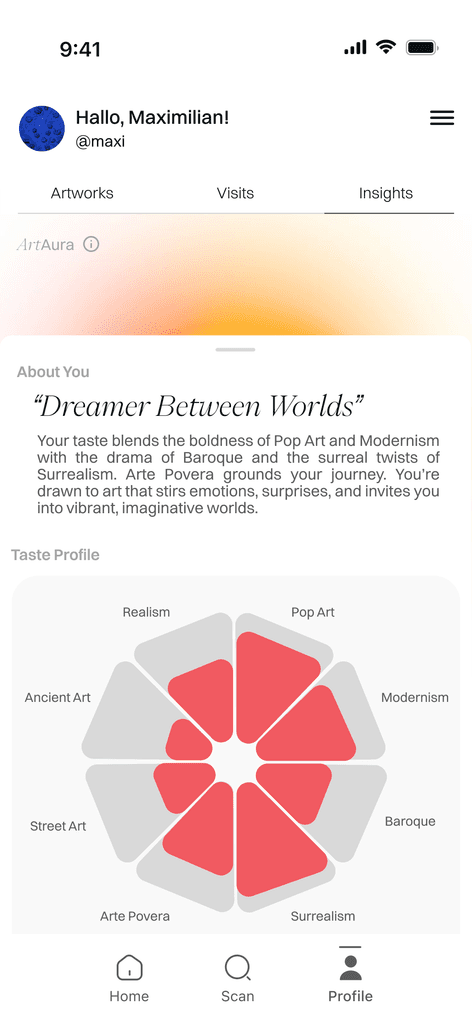
See who's visiting your museum — by age, gender, nationality, and taste. Make data-driven decisions for programming and marketing.
Smarter exhibition planning
Find out which artworks resonate most, and with whom. Curate shows that truly connect.
Targeted outreach
Understand where your audience comes from and how to reach them — locally, nationally, globally.
Engaged, returning visitors
Offer an experience that feels personal. Visitors discover their own taste and come back for more.
As shown in:




















Copyright & Fair Use
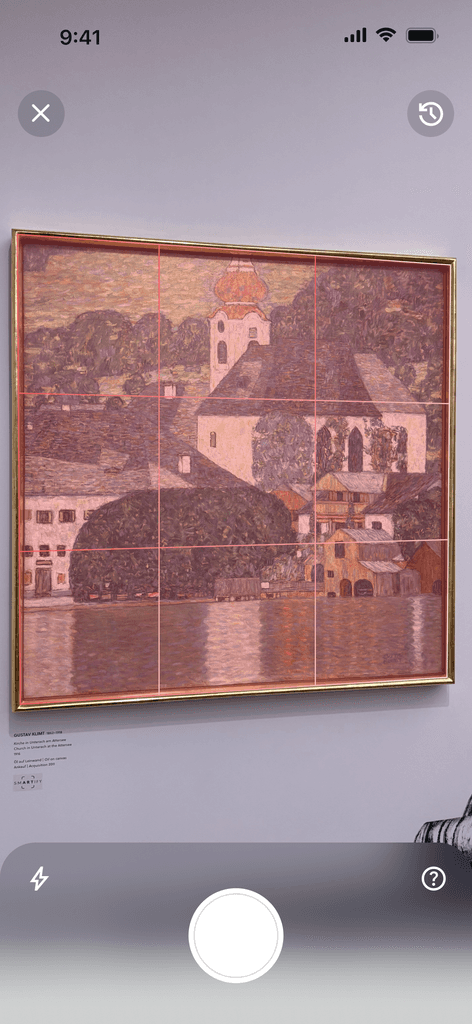
At Artfluence, we take intellectual property rights seriously. Our scanning and collectible system does not replicate or distribute original artworks. Instead, it creates a personal, metadata-based record of the viewing experience — much like a digital stamp in a cultural passport.
All scans are designed to promote visibility and engagement for artists and institutions, not to replace or reproduce their work.
As with other digital platforms (e.g. Instagram or TikTok), the responsibility for respecting copyright lies with the users. Artfluence and participating museums or galleries do not assume liability for potential copyright violations, but we actively inform and encourage users to engage responsibly.
We believe in a fair and respectful use of cultural content — one that inspires rather than exploits.
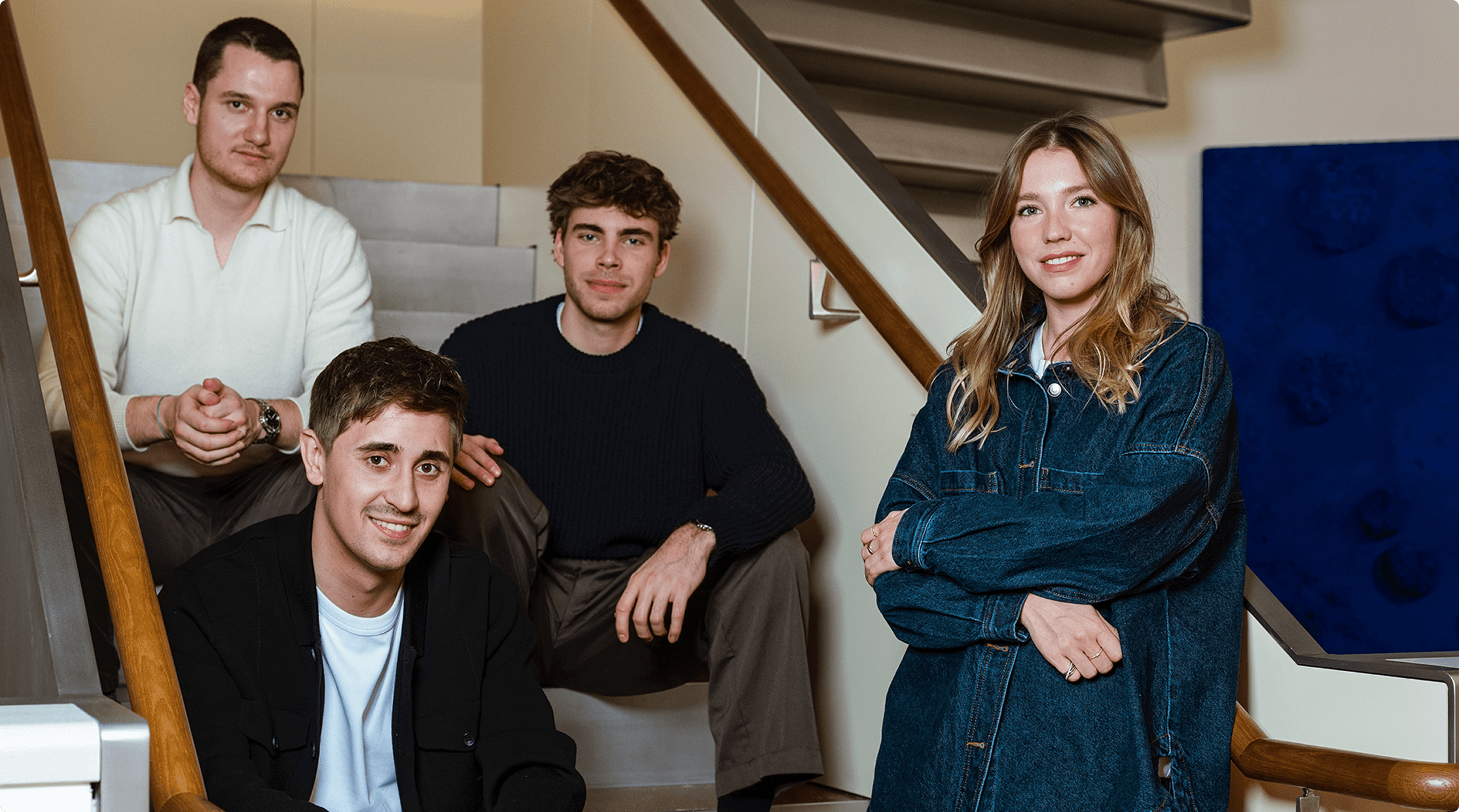
Who are we
Artfluence was founded by a team of four young professionals united by a shared passion for art and culture — and a belief that meaningful innovation begins with interdisciplinary thinking. With backgrounds in law, marketing, design, communication, and business, the Artfluence founding team combines deep industry expertise with a bold vision for the future of museum engagement. The idea behind Artfluence was born in 2023, during a digital campaign developed for the Heidi Horten Collection in Vienna. In this webapp, visitors could like artworks via NFC tags and gain real-time insights into how their preferences compared to those of other guests. The museum received valuable demographic data through a custom dashboard — including age-based preference patterns and artwork popularity rankings. This data became a key tool for curating the museum’s permanent collection. For the first time, visitor voices played a direct role in shaping what was shown — turning passive observation into active participation. Today, Artfluence continues to build on that momentum: as a smart, scalable solution that connects people more deeply with art — while giving institutions the tools to understand and grow their audiences.